We actually priced it out
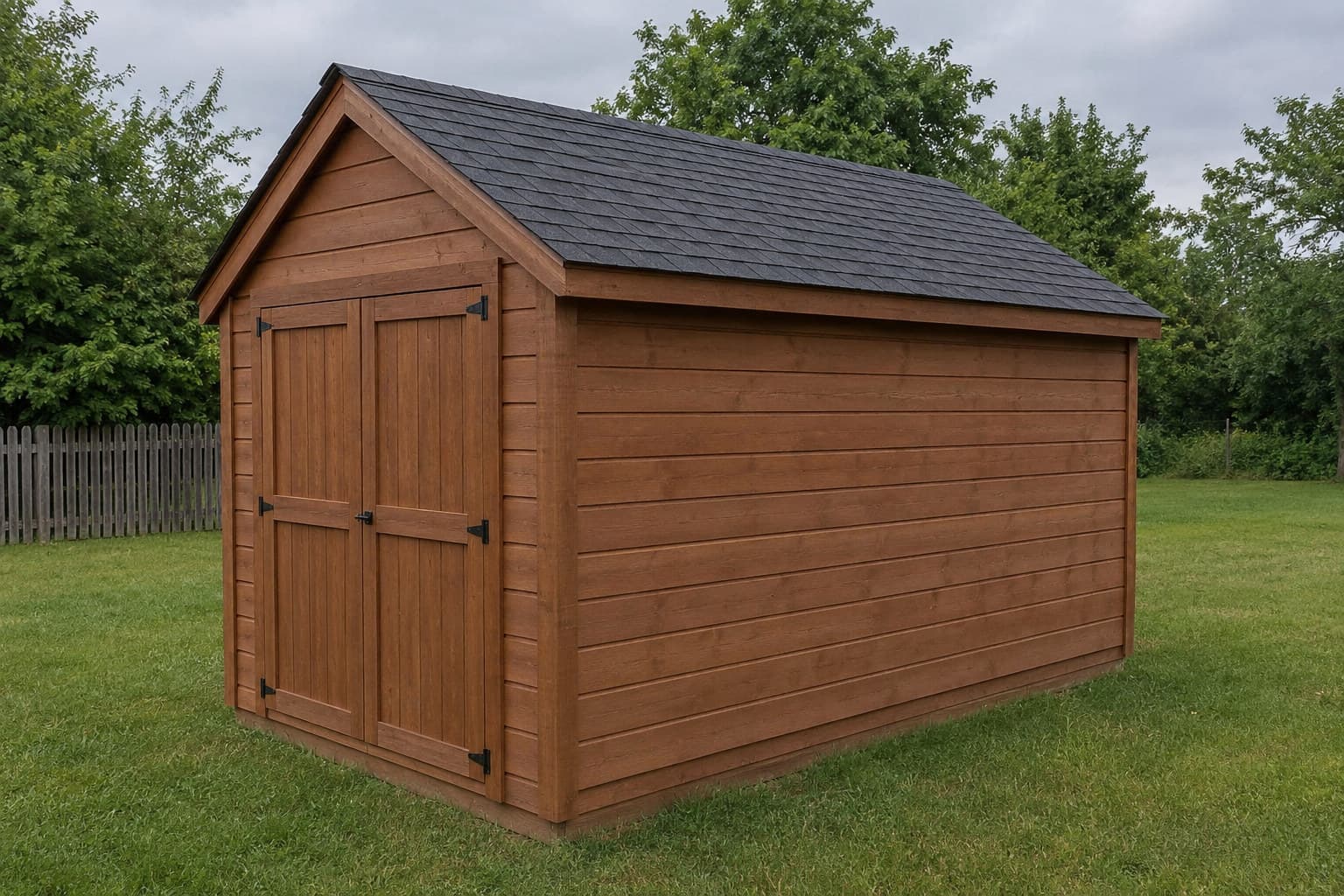
"Is it cheaper to build a shed or buy a container?" is one of the most common questions we hear — so instead of guessing, we priced out real materials for an 8' x 20' wood shed: gable roof, double doors, shiplap siding. Every line item below is sourced from actual Home Depot pricing in Littleton, NH, June 2026.
The real material cost
Here's what actually goes into an 8' x 20' shed, materials only — every line item, not just the category totals:
That's materials only — before labor, permits, site prep, or delivery. Lumber pricing right now is also running higher than usual: Canadian softwood carries a combined tariff burden of roughly 35% as of mid-2026, with a modest reduction expected later this year as a new rate takes effect — so this estimate reflects a genuinely elevated lumber market, not a worst-case one.
What that doesn't include
That $3,914 is materials only. Once you add labor, permits, site prep or a foundation, and delivery of materials, a fully installed shed this size typically runs $8,000 to $14,000 or more — and that's before ongoing maintenance. Wood siding needs re-staining every few years, and the structure itself is kiln-dried lumber, not steel.
How this stacks up nationally
This isn't a cherry-picked number to make the comparison look good — it tracks with national data too. Materials-only shed costs generally run $20 to $30 per square foot; at 160 square feet, that puts a materials estimate for this size shed in the same $3,200–$4,800 range we priced out locally. Fully installed with a contractor, sheds this size typically run $60 to $150 per square foot — $9,600 to $24,000 — which actually puts our $8,000–$14,000 installed estimate on the conservative end.
Permits, prep, and the paperwork
At 160 square feet, this shed happens to fall under New Hampshire's state exemption for sheds under 200 square feet, meaning the state building code itself wouldn't require a permit. But that's just the state baseline — most NH and VT towns layer on their own zoning or land-use permit requirements regardless of size, and local thresholds vary widely, with some towns drawing the line at 100 square feet and others at 400. The only way to know for sure is a call to your local building department.
A storage container isn't automatically exempt either — it's the same town-by-town reality we walk customers through on our FAQ page. What tends to matter more than size is use and permanence: a container sitting on blocks for storage, with no foundation and nothing hooked up to power, often doesn't trigger a permit in rural towns, while anything permanent tends to draw more scrutiny either way.
The container side of the comparison
A new 20' shipping container costs $3,800 — already less than the shed's materials alone, before you've bought a single fastener. It arrives built, weather-tight, and ready to use the day it's delivered by our own crew. No framing, no roofing, no build timeline, no repainting every few years — just steel that's already rated to survive an ocean crossing.
What you're actually trading for the lower price
Materials cost is only part of the comparison. A wood shed in New England weather deals with things steel doesn't: snow load on the roof, ice damming, moisture wicking up from the ground, and — especially out in rural NH and VT — carpenter ants and rodents that don't care how carefully you built it. Steel doesn't rot, doesn't need re-staining, and isn't an easy target for pests.
Warranty is the other gap. A new one-trip container comes with a 30-year warranty. Most prefab sheds carry a handful of years on the structure at best, and a DIY build carries no warranty at all beyond whatever the lumber yard offers on individual materials.
The timeline nobody budgets for
A shed this size isn't a weekend project. Between site prep, framing, roofing, siding, and finish work, a DIY build realistically runs several weekends to a few weeks — longer if you're waiting out weather or fitting it around a job. A contractor-built shed still means scheduling, a build queue, and inspection sign-off if a permit's involved.
A container shows up already built. We deliver and set it with our own crew, and it's usable the same day — no framing, no weather delays, no waiting on a contractor's calendar.
Which one actually wins?
If you're comparing shed materials against a container's full price, a shed can look cheaper on paper. But factor in a realistic install — labor, permits, site prep — and a new container beats a built shed on total cost before you even count the time, weather delays, and upkeep a wood structure needs over the years. Even if you have the skills and weekends to build it yourself and skip labor entirely, you're still trading a steel structure backed by a 30-year warranty for wood that needs recoating every few years and offers none.
Take it with you
Want to run these numbers by someone, or just keep a copy on hand? Here's the same breakdown above as a printable one-pager — the exact sheet our team hands to customers who ask.